About Bloody Ground

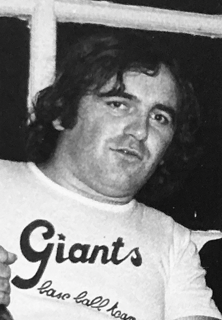
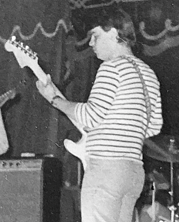
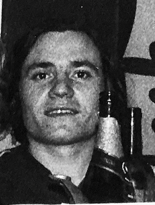
Members of the group

Bloody Ground’s genesis was in the early 1970s when good friends Pierre, Ronald, André, Eric et Jacques decided to play pop music together in the northern suburbs of Paris.

For rehearsals, Bloody Ground had rented an old barrier house in Chantilly forest, on the edge of the Paris-Lille railway line.

Later Patrice, Yves and Claude joined Bloody Ground on stage.

Pierre ; guitar
Pierre : guitar
Ronald
Ronald : organ
Andre
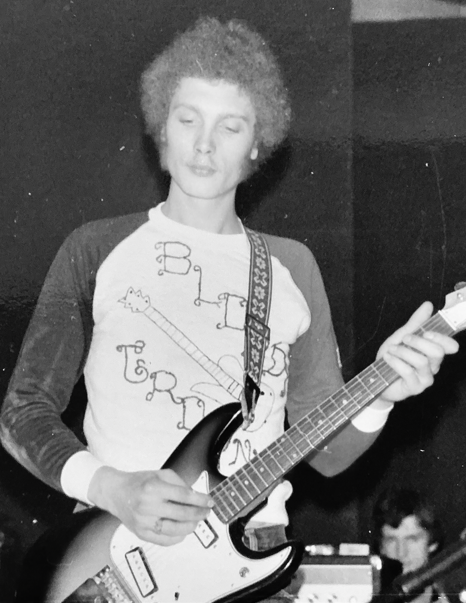
André : bass
Eric
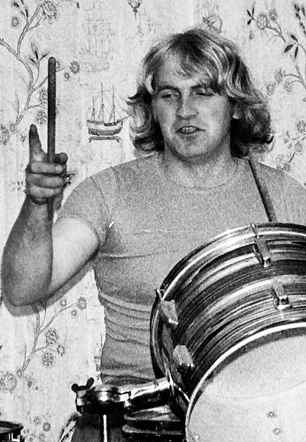
Eric : drums
Jacques
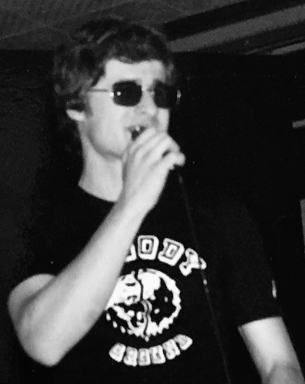
Jacques : vocals
Patrice
Patrice : guitar
Yves
Yves : sound
Claude
Claude : lights

Origin of the name "Bloody Ground"

The term “Bloody Ground” is highly convenient and fitting for describing the war conflicts of the early 1970s, as this period was marked by intense, protracted, and brutally high-casualty warfare, particularly in Southeast Asia and the Middle East, leading to immense suffering and loss of life.

The early 1970s saw the culmination or intensification of several conflicts, all characterized by their ferocity and high human cost.

The Vietnam War (which also encompassed conflicts in Laos and Cambodia) was a central “bloody ground” of the era.

The tensions between Israel and its Arab neighbors were also a source of intense violence. This low-level but deadly conflict between Israel and Egypt continued until 1970.

Black September (1970): The Jordanian Civil War between the Jordanian Armed Forces and the Palestine Liberation Organization (PLO) in September 1970 was a vicious conflict fought in urban areas like Amman, turning parts of the city into a deadly battleground.

The Nigerian Civil War (Biafra): Though ending in January 1970, its final stages and aftermath were characterized by immense humanitarian suffering and a massive death toll, particularly among civilians.

The Troubles in Northern Ireland: Violence escalated in this period, including events like Bloody Sunday in 1972, where civil unrest and armed conflict claimed many lives.

In sum, “Bloody Ground” serves as a powerful, visceral term for a period where major geopolitical struggles—driven by Cold War rivalries, decolonization, and internal strife—were manifesting in some of the deadliest, most devastating regional wars of the late 20th century.
 

The name "Bloody Ground" is still tragically convenient in the 2020s

Fifty years later, in several major ongoing conflicts, the violence is as brutal and concentrated as any historical period, making “Bloody Ground” literally apt for certain geographic locations:

• Ukraine: The war has seen large-scale, high-intensity, conventional warfare—including trench fighting, artillery duels, and missile strikes—that directly stains the earth with massive loss of life. Entire cities and regions have become zones of utter destruction and bloodshed.

• Gaza/Israel: The intense urban fighting and the resulting catastrophic civilian casualties and destruction in the Gaza Strip make it a powerful example of a highly concentrated and devastating “Bloody Ground.”

• Sudan and Myanmar: Civil wars marked by mass atrocities, systematic violence, and relentless fighting between armed factions continue to claim enormous numbers of lives, fulfilling the morbid definition of the term.

Ultimately, “Bloody Ground” is a timeless and effective term for a war zone where the primary characteristic is a horrific toll of death and destruction. It perfectly encapsulates the moral and humanitarian disaster that current conflicts represent for the people trapped within them.

It is a simple, brutal reminder that even in the age of precision-guided missiles and global internet, the final, tragic reality of war remains the shedding of blood on the earth.